
Preparing for a baby is exciting, but the shopping part can get noisy fast. One friend swears you need a wipe warmer. Another sends a 200-item checklist. A store pushes products from only its own catalog.
A baby registry should make life simpler. It should help you collect the things you actually need, make gifting easier for family and friends, and reduce duplicate or unwanted gifts.
This guide explains what a baby registry is, when to start one, what to add, what to skip, and how to create a baby registry that feels useful instead of overwhelming. You can also use Huff as a private baby registry to save items from any store and share them with the people you choose.
Table of Contents
What is a Baby Registry?
A baby registry is a curated gift list parents create before a baby arrives. It usually includes newborn essentials, nursery items, feeding supplies, diapering products, travel gear, and a few nice-to-have gifts.
The point is simple: people who want to help can buy something the parents genuinely need.
A good baby registry helps with three things:
- It tells gift-givers what to buy
- It prevents duplicate gifts
- It keeps baby prep organized in one place
Traditional registries are often tied to one retailer. A universal baby registry or private wishlist app lets you add items from different stores into one list. That matters because parents rarely shop from only one place.
Why Create a Baby Registry?
A baby registry is not just a shopping list. It is a planning tool for one of the busiest seasons of your life.
In the U.S., there were 3,628,934 births in 2024, according to final data from the CDC’s National Vital Statistics System. That is millions of families preparing for the same practical question: “What do we actually need before the baby arrives?”
A baby registry helps answer that question without relying on guesswork.
Use a registry to:
- Prioritize true baby essentials
- Give family and friends clear gift options
- Include different price points
- Track what has already been bought
- Avoid last-minute panic shopping
- Save items from multiple stores in one place
With Huff, you can build a private baby registry from the places you already shop. Add a crib from one store, a swaddle from another, and a handmade nursery item from a small shop. Everything stays in one private wishlist.
When Should You Start a Baby Registry?
Most parents start a baby registry sometime around the end of the first trimester or early in the second trimester. That gives you time to research bigger items, compare options, and share the list before a baby shower.
The Bump notes that many parents begin working through a baby registry checklist around 12 weeks, since researching baby gear can take time.
A simple timeline looks like this:
- Weeks 12 to 16: Start researching essentials
- Weeks 16 to 24: Build your registry and add key items
- Weeks 24 to 28: Share it if you are having a baby shower
- Third trimester: Update quantities, remove sold-out items, add postpartum needs
You do not need to finish it in one sitting. Start with the basics, then add items as you learn what fits your space, budget, and parenting style.
How to Create a Baby Registry in 6 Simple Steps
Creating a baby registry is easier when you build it around real life instead of a perfect nursery photo. Here is a practical way to start.
1. Choose the Right Registry Type
You have three main options: a single-store registry, a universal baby registry, or a private wishlist-style registry.
Single-store registries are convenient if you want everything from one retailer. The downside is that your list is limited to that store’s products and policies.
A universal registry gives you more flexibility. Babylist, for example, highlights that parents can add items from many retailers, including Amazon, Target, Etsy, and small shops.
Huff works especially well if you want a private, flexible baby registry. It is built around saving from anywhere through your phone’s share menu, without turning your wishlist into a public profile.
2. Think About Your Actual Lifestyle
Before adding products, ask what your daily life will look like.
A family in a small apartment may need compact gear. A family that drives often may care more about car seat and stroller compatibility. A parent planning to pump at work may need different feeding supplies than someone who will mostly formula-feed.
Your registry should reflect your life, not someone else’s checklist.
Ask yourself:
- How much storage space do we have?
- Will we travel often with the baby?
- Do we need lightweight gear?
- Who will help during the first few months?
- What climate and season will the baby be born into?
- Are we comfortable with second-hand items for non-safety categories?
3. Add Essentials First
Start with the things you will use every day. This keeps the registry useful and stops it from becoming a random product dump.
Core categories include:
- Sleep
- Diapering
- Feeding
- Clothing
- Bath and health
- Travel
- Parent and postpartum care
Once those are covered, add nice-to-have items.
4. Include Different Price Points
Not every gift-giver has the same budget. A strong baby registry includes small, mid-range, and larger items.
Add options like:
- Diaper cream, wipes, bibs, pacifiers
- Swaddles, bottles, crib sheets, towels
- Baby carrier, monitor, stroller accessories
- Car seat, crib, stroller, nursery chair
This gives people choice without making them guess.
5. Add Notes for Sizes, Colors, and Preferences
This is where many registries fall short. A product link helps, but a short note helps even more.
Examples:
- “Size 3 to 6 months preferred”
- “Neutral colors only”
- “Please choose unscented”
- “We already have newborn clothes”
- “This fits our stroller model”
Huff makes this style of gifting easier because the list is about what you actually want, not just what one store sells.
6. Share It Privately
Once your registry feels useful, share it with close family, the shower host, or anyone who asks.
You do not need to post it publicly. In fact, a private baby registry often feels more natural. Huff is designed around private wishlists, so your list is not a searchable public profile. People see it when you choose to share it.
What to Put on a Baby Registry
A good baby registry covers daily care first. Add products you expect to use in the first six months, then include a few items for later stages.
Sleep Essentials
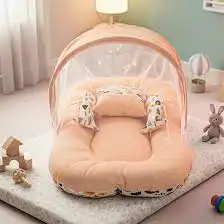
Sleep items should be practical and safety-focused. The American Academy of Pediatrics recommends that babies sleep on their backs, on a firm, flat surface, with a fitted sheet and no loose blankets, pillows, stuffed toys, bumpers, or soft items in the sleep space.
Add:
- Crib or bassinet
- Firm crib mattress
- Fitted crib sheets
- Sleep sacks
- Swaddles for newborn stage
- Baby monitor, if needed
- White noise machine, optional
Skip loose blankets and decorative bedding for the crib.
Diapering Essentials
Diapering products get used constantly, so this is one of the most practical registry categories.
Add:
- Newborn and size 1 diapers
- Fragrance-free wipes
- Diaper cream
- Changing pad
- Changing pad covers
- Wet bags
- Diaper pail, optional
Tip: Do not over-register for newborn diapers. Babies grow at different speeds, and some may move into larger sizes quickly.
Feeding Essentials
Your feeding list depends on whether you plan to breastfeed, pump, formula-feed, or use a combination.
Add what fits your plan, but leave room to adjust after baby arrives.
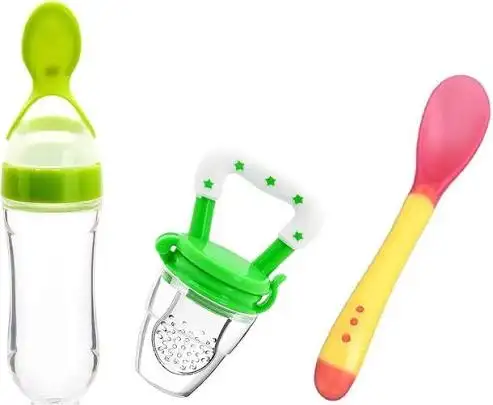
Consider:
- Bottles
- Burp cloths
- Bibs
- Bottle brush
- Drying rack
- Nursing pads
- Nipple cream
- Milk storage bags
- Formula dispenser
- High chair for later
- Baby spoons and bowls for later
You do not need every feeding gadget on day one. Focus on basics first.
Clothing Essentials
Baby clothes are fun to buy, which is exactly why many parents receive too many newborn outfits.
Add a balanced mix:
- Onesies
- Zip sleepers
- Socks
- Mittens, if needed
- Seasonal layers
- Hats for outdoor use
- 3 to 6 month and 6 to 9 month sizes
A useful note to add: “We would love larger sizes too.” It helps avoid a mountain of newborn clothing.
Bath and Health Essentials
This category is small but important. These items are easy for gift-givers to buy and useful for parents.
Add:
- Baby bathtub
- Hooded towels
- Soft washcloths
- Gentle baby wash
- Baby thermometer
- Nail file or baby nail clippers
- Nasal aspirator
- Baby-safe laundry detergent
Keep it simple. You do not need a full medicine cabinet before birth.
Travel Essentials
Travel gear can be expensive, so it belongs on the registry. Some relatives may want to contribute to bigger items.
Add:
- Infant car seat
- Stroller
- Baby carrier
- Diaper bag
- Portable changing mat
- Stroller fan or rain cover, depending on climate
- Car mirror, if useful
For safety items like car seats, be careful with used products unless you know the full history.
Parent and Postpartum Essentials
A baby registry can include things that help the parents too. That is not selfish. It is practical.
Add:
- Postpartum recovery supplies
- Nursing or pumping items
- Meal delivery gift cards
- Comfortable robe or slippers
- Water bottle
- Household help or favor requests
- Extra phone charger near feeding station
Baby prep is not only about the baby. The first few weeks are easier when parents are supported too.
What Not to Put on a Baby Registry
Some baby products are unnecessary. A few are unsafe. This section is worth taking seriously.
Avoid adding:
- Crib bumpers
- Inclined sleepers
- Loose crib blankets
- Pillows for the sleep space
- Stuffed toys for the crib
- Used car seats with unknown history
- Too many newborn outfits
- Shoes for newborns
- Bulky gadgets you have no space for
The U.S. Consumer Product Safety Commission states that inclined sleepers for infants and crib bumpers are banned hazardous products under the Safe Sleep for Babies Act, effective November 12, 2022.
A helpful rule: if an item is meant for infant sleep, check current safety guidance before adding it.
How Many Items Should Be on a Baby Registry?
There is no perfect number. A useful baby registry is not about having the longest list. It is about giving people enough good options.
Babylist says the average Babylist registrant adds 125 items, but that should be treated as context, not a target.
For most parents, a strong registry includes:
- Enough essentials across key categories
- Multiple price points
- A few larger items
- A few practical repeat buys
- Notes that explain preferences
If your list feels too long, remove duplicates and “maybe” items. If it feels too short, add everyday basics like diapers, wipes, burp cloths, crib sheets, and postpartum supplies.
How to Share a Baby Registry Without Feeling Awkward
Sharing a baby registry can feel strange, but remember this: people are going to ask what you need. A registry gives them a helpful answer.
Keep the message simple and warm.
Example:
“Thank you for wanting to help us get ready for the baby. We made one private registry with the things we will actually use. Here is the link: [your Huff link].”
Where to share it:
- Baby shower invitation insert
- Message from the shower host
- Family group chat
- Directly when someone asks
- Event page, if you have one
Huff is a good fit here because you can share one private list instead of sending people to multiple stores.
How to Find a Baby Registry
If you are shopping for someone else, the easiest way to find a baby registry is to ask the parent or the baby shower host.
You can also:
- Check the baby shower invitation
- Look for a registry link on the event page
- Use a retailer’s baby registry finder
- Search by the parent’s name on public registry sites
- Open the private link if the parent shared one
Many store registries are searchable by name. Crate & Kids, for example, has a “Find a Registry” section where shoppers can search using the registrant’s first and last name.
With a private registry on Huff, the idea is different. You do not find someone through public search. The parent shares the list with the people they want to include.
Store Registry vs Universal Baby Registry
The best baby registry depends on what you value most.
A store registry is useful if you want that retailer’s perks, discount, or return process. A universal baby registry is better if your baby items come from many places.
Here is the practical difference:
| Registry Type | Best For | Limitation |
| Single-store registry | Retailer perks and simple checkout | Limited to one store |
| Marketplace registry | Large selection and fast shipping | Often tied to one shopping ecosystem |
| Universal registry | Adding items from many stores | Features vary by platform |
| Huff private wishlist | Private, any-store baby registry | Best when you want controlled sharing |
Huff’s advantage is privacy and flexibility. You can save from any shopping app or product page, then share one list with the people who need it.
For more on this concept, read Huff’s guide to a universal wishlist.
Why Huff Works Well as a Baby Registry
Most baby registry tools start with stores. Huff starts with the person.
That difference matters. Parents do not always want a public registry. They do not always want to choose from one retailer. They just want one easy place to save the things they actually want.
With Huff, you can:
- Add baby items from any store
- Use your phone’s share menu to save quickly
- Keep your wishlist private
- Share with selected people
- Reduce duplicate gifts
- Keep using the wishlist after the baby shower
This makes Huff useful beyond one event. Your baby registry can become a living wishlist for birthdays, holidays, and future milestones.
You can also read Huff’s guide to a wishlist maker if you want a broader look at building shareable gift lists.
Baby Registry Checklist Before You Share
Before sending your registry link, do a quick final pass.
Check that you have:
- Safe sleep basics
- Diapering essentials
- Feeding basics
- Clothing in multiple sizes
- Bath and health items
- Travel gear
- Parent and postpartum items
- A mix of prices
- Notes for sizes, colors, and preferences
- No unsafe sleep products
- A working share link
Then send it. It does not need to be perfect. You can keep updating it.
Final Takeaway
A baby registry should make preparing for a baby calmer, not more complicated.
Start with what you will actually use. Add different price points. Skip unsafe or unnecessary products. Share the list clearly with people who want to help.
And if you want one private baby registry that works across stores, create your Huff wishlist and save baby items from wherever you already shop.
Baby Registry FAQs
What is a baby registry?
A baby registry is a list of baby products parents create and share with family and friends before the baby arrives. It helps gift-givers choose useful items and helps parents avoid duplicates.
When should I create a baby registry?
Many parents start a baby registry around the end of the first trimester or early in the second trimester. This gives enough time to research products, add essentials, and share the list before a baby shower.
How do I create a baby registry?
Choose a registry tool, add baby essentials by category, include different price points, add notes for preferences, then share the registry link with family and friends.
Can I create a baby registry from multiple stores?
Yes. A universal baby registry or private wishlist app like Huff lets you add items from multiple stores into one list.
What should I put on a baby registry first?
Start with safe sleep items, diapers, wipes, feeding supplies, basic clothing, bath items, health essentials, and travel gear like a car seat and stroller.
What should I avoid putting on a baby registry?
Avoid crib bumpers, inclined sleepers, loose blankets, pillows, and stuffed toys for the baby’s sleep space. These do not align with current safe sleep guidance from the AAP and CPSC.
How many items should be on a baby registry?
There is no required number. Add enough items to cover your real needs and give gift-givers options across different budgets.
How do I find a baby registry?
Check the baby shower invitation, ask the host, search a retailer’s registry finder, or use the private link shared by the parent.
Is Huff a baby registry app?
Huff is a private wishlist app that can be used as a baby registry. It lets you save products from different stores and share one private list.
Is a private baby registry better than a public one?
A private baby registry is better if you want control over who sees your list. It keeps gifting personal and avoids making your baby prep publicly searchable.